

I recently read about the K-Pop Demon Hunters phenomenon, now the most-watched animated film on Netflix. Millions are watching, including my kids.
The music is catchy so catchy that it’s almost hypnotic but I felt compelled to talk to them about what lies beneath these feel-good movies.
Subtly, they present a world where beauty, popularity, and wealth appear to be the natural birthrights of a few, while the rest become passive spectators. And they do this under the guise of fun.
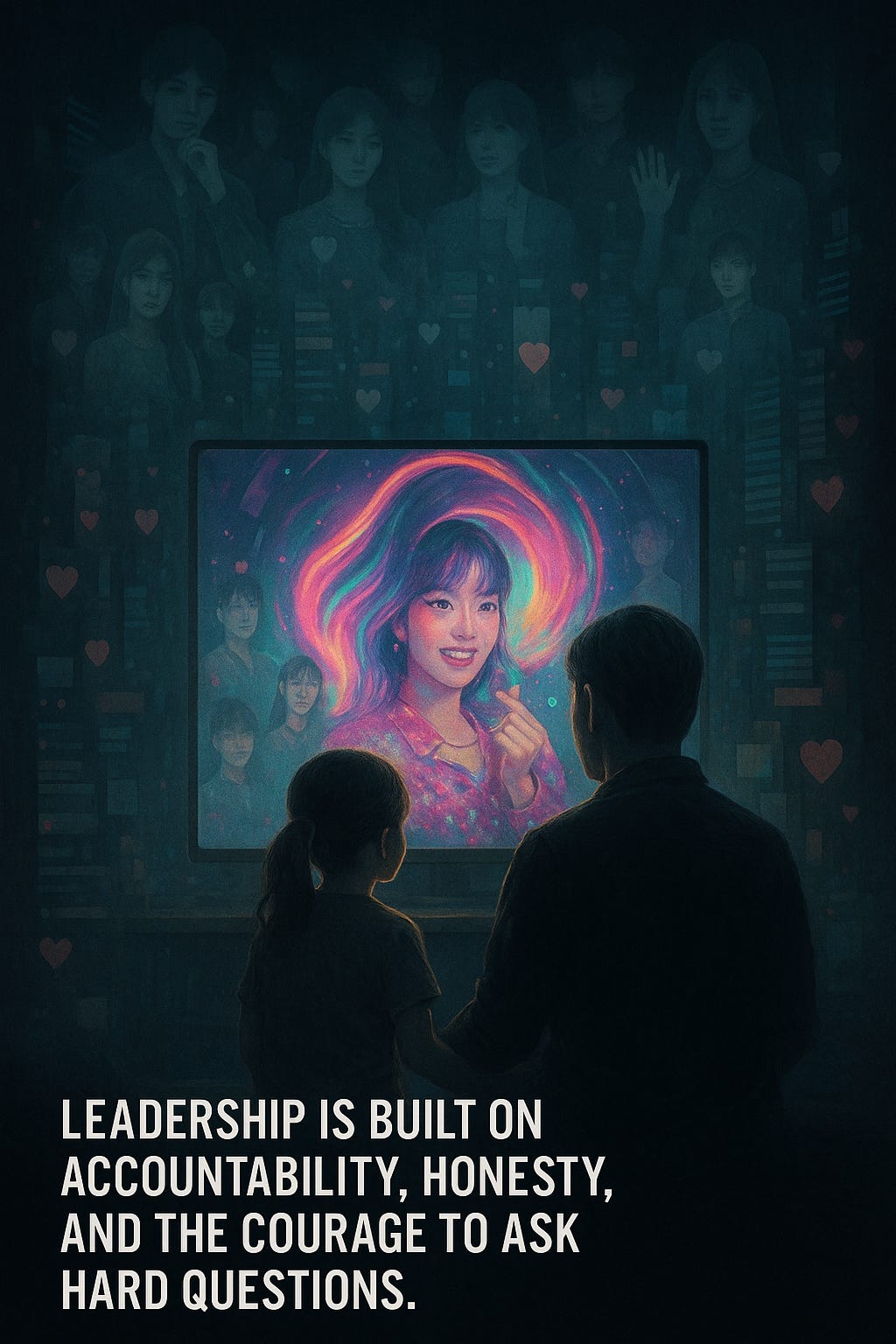
This is a prime example of adolescent media influence.
Just as commuters in London tune out the constant “mind the gap” announcements, repeated exposure to these stories trains young minds to accept hierarchical ideals as normal.
Over time, we stop questioning the underlying messages. Children and teens begin to internalize the idea that social status equates to virtue and that admiration is earned only through perfection or celebrity.
Idol culture and social media addiction in teens amplify this effect.
Platforms are designed to keep them scrolling, liking, and sharing, rewarding passive consumption over critical thinking.
Each algorithmically curated playlist or trending fan group deepens attachment to an idealized image, sometimes offering comfort, inspiration, and community. But often, it fosters anxiety, harsh self-comparisons, and unattainable standards of beauty and success. The longer teens spend online, the more detached they become from healthy reality.
This fragmentation isn’t just personal it’s social. Algorithmic influence divides audiences into micro-communities and niche interests, reducing exposure to shared stories and real-world connections. While everyone preaches that niches empower individuality, they can also reinforce isolation, confusion, and alienation. Teens searching for belonging risk finding only curated illusions of perfection. Parents, educators, and communities must act as guides, helping children navigate these digital landscapes with awareness and intention.
So what can we do? Start conversations. Ask what’s beneath the polished surface of media content.
Help kids set boundaries around screen time and exposure to idolized figures. Schools can integrate media literacy programs that challenge narrow beauty ideals and teach that worth isn’t measured in followers or flawless appearances. Platforms themselves have a role to play, filtering toxic content and promoting authentic diversity and representation.
Leadership in the digital age isn’t about certifications or appearances it’s about accountability, honesty, and courage. It’s the courage to ask hard questions, to challenge comforting narratives, and to guide young people through the noise. Watching content together, discussing it critically, and questioning its underlying messages turns passive consumption into active understanding. This practice not only safeguards digital wellness but also cultivates empathy, discernment, and resilience.
Media doesn’t have to be a mindless scroll or a hidden teacher of passive obedience. It can be a bridge connecting parents and children, peers and communities, creators and audiences.
By modeling critical thinking, fostering open discussion, and prioritizing values over appearances, we can help young people navigate a world increasingly shaped by algorithms, trends, and idol culture.
The key message for parents and leaders alike, look up, not down.
Question what’s shown, and guide the next generation with care and clarity.
Leadership isn’t a title it’s a daily practice of accountability, curiosity, and courage, even in a world designed to make us look away.
This cultural moment reflects not only fleeting fandom but also mirrors a deeper crisis in leadership especially in big tech.
Behind the scenes, many tech giants prioritize profit and power above all else, pursuing growth at the expense of ethics, societal well-being, and transparency. This “money hungry” mentality shapes technologies and platforms that profoundly influence our lives, often without meaningful oversight or accountability.
Like the celebrity idols in these movies, many tech leaders occupy “ivory towers,” detached from the consequences of their decisions on everyday people. Their actions are rarely visible or questioned by the wider public, yet they control algorithms, data, and infrastructures that affect everything from jobs to democracy itself.
If we want any hope of shifting this trajectory, the leaders of today must become genuinely pro-human grounded in empathy, responsibility, and inclusive values rather than mere ambition or shareholder returns. Leadership is not about dazzling appearances or dominance; it is about stewardship, courage to confront difficult truths, and building systems that uplift rather than divide.
Just as we encourage kids to question the glamorized narratives in media, we owe it to society to hold powerful decision-makers to a higher standard demanding leadership that serves humanity, not just itself.
About the Author
Tino Almeida is a tech leader, coach, and writer reshaping how we think about leadership in a burnout-driven world. With over 20 years at the intersection of engineering, DevOps, and team culture, he helps humans lead consciously from the inside out. When he’s not challenging outdated norms, he’s plotting how to make work more human—one verb at a time.
It's important to guide both technology and economics through appropriate Policy. Policy that protects the collective citizen/consumer from monopolized dominance. Policy that protects individual data from anonymous capture and commercial use. Policy that institutes guardrails for 'social' media platforms to ensure informed/civil debate without personal attacks and demonizing. Technology and economics are strongly connected, creating an imbalance of influence and a shroud over both critical thinking and empathy in society - at every age. It will take strong leadership at every societal level to ensure balance.
Agreed 100% on needing to model critical thinking skills for our children. And it should start as early as one and two years old. Oh and also making them go outside to touch grass. Lol.
Mine is 3 so not quite at this movie yet. My days are filled with Paw Patrol and Spider Man.